
OVERVIEW
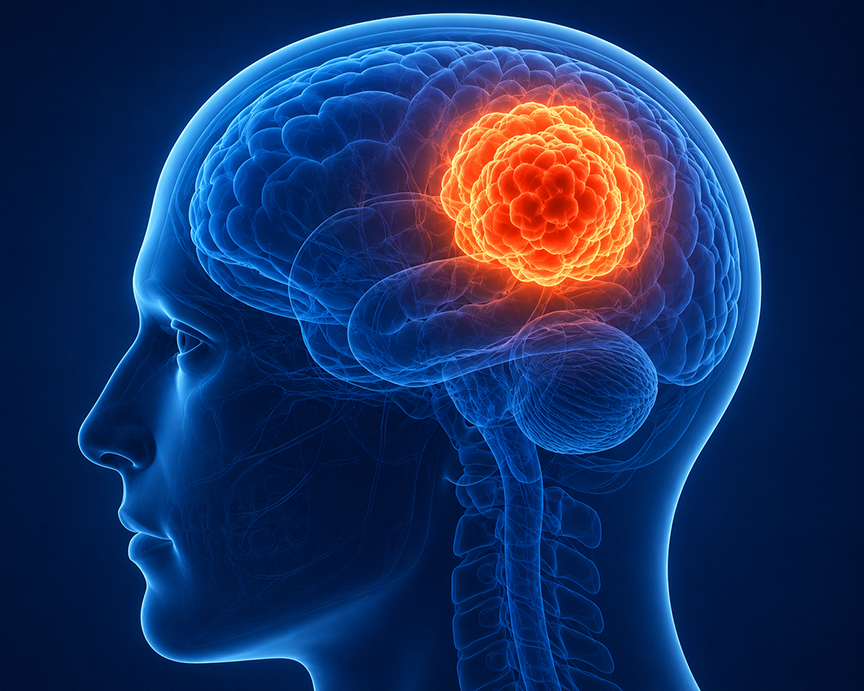
A brain tumour is an abnormal growth of cells in the brain that forms a lump or swelling. It may be benign (slow-growing) or malignant (fast-growing), and can develop in different areas of the brain, affecting normal brain function. Brain tumours may be primary, originating in the brain, or secondary, spreading from other parts of the body.
Early diagnosis and personalised treatment are important for achieving the best possible outcome. Treatment depends on the tumour’s type, size, and location, as well as the patient’s overall health. The goal is to remove or control the tumour while preserving brain function and quality of life.
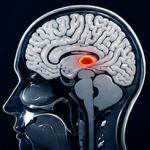
Glioma
(Glial Cell Tumour)
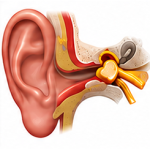
Acoustic Neuroma
(Vestibular Schwannoma)
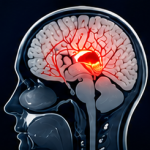
Meningioma
(Meninges Tumour)
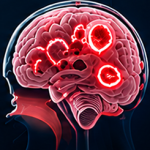
Metastetic Brain Tumors
(Spread from other organs)
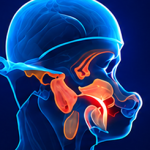
Acoustic Neuroma
(Pituitary Gland Tumour)
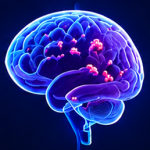
Acoustic Neuroma
(Vestibular Schwannoma)
Persistent pain, often worse in the morning or waking you from sleep.
Blurred or double vision or other visual disturbances.
Especially in the morning and unrelated to food.
Sudden shaking or loss of consciousness in someone with no prior history.
Weakness or numbness. memory changes, behavioural changes. difficulty speaking.
Often the main treatment to remove the growth and relieve pressure.
Uses focused energy to target and destroy remaining tumour cells.
Drugs to control brain swelling. manage symptoms or prevent seizures.
Yes. Early treatment can reduce damage and improve recovery with proper rehabilitation.
Recovery varies, but many patients regain function with proper care and rehabilitation.
It can, which is why follow-up care and prevention are important.
No. Many strokes are treated without surgery, but some require neurosurgical care.