
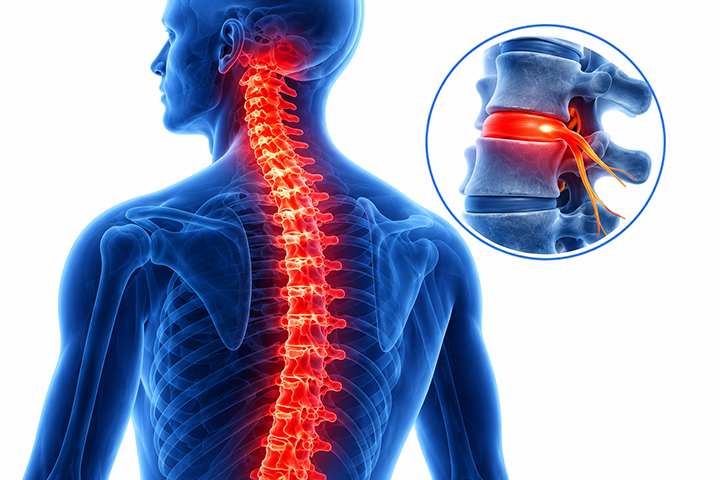
SPINE CONDITIONS & PAIN MANAGEMENT OVERVIEW
Spine conditions involve problems affecting the bones, discs, nerves, muscles, and spinal cord. These conditions may develop gradually due to aging, posture, wear and tear, or injury.
Some patients experience mild discomfort, while others may develop nerve compression, weakness, walking difficulty, or chronic pain affecting daily life.
Treatment depends on the condition, severity, nerve involvement, and overall health of the patient. The goal is to provide accurate diagnosis, reduce pain, preserve nerve function, and restore mobility and quality of life.
Cervical Spondylosis
Age-related wear and tear in the neck causing stiffness, pain, and nerve irritation.
Click For More Info
Cervical Myelopathy
Pressure on the spinal cord in the neck causing balance problems, weakness, and coordination issues.
Click For More Info
Sciatica
Compression of the sciatic nerve causing pain radiating from the l lower back down the leg.
Click For More Info
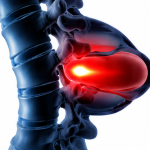
Slipped Disc
Bulging or herniated spinal disc pressing on nearby nerves.
Click For More Info
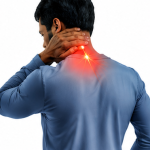
Neck Pain
Muscle strain, posture-related issues, or degenerative conditions affecting the cervical spine.
Click For More Info
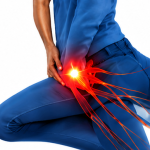
Lower Back Pain
Common spine condition causing stiffness, discomfort, reduced mobility, or nerve symptoms.
Click For More Info
Accurate diagnosis through clinical assessment and MRI imaging is essential for proper treatment planning.
Persistent stiffness, soreness, or reduced neck movement.
Pain affecting the lower back, posture, or daily movement.
Pins and needles sensation in the arms, hands, legs, or feet.
Reduced strength, weak grip, or difficulty lifting objects.
Unsteady walking, frequent tripping, or poor coordination.
Sharp or burning pain travelling down the leg.
Symptoms vary depending on the condition, severity, and nerve involvement.
Regular assessment and imaging for stable spine conditions.
Minimally invasive treatment performed through blood vessels to manage aneurysms and vascular abnormalities.
Structured rehabilitation to improve strength, posture, and mobility.
Advanced minimally invasive and decompression procedures when required.
Yes. Many neck and back conditions improve with conservative treatment including physiotherapy, activity modification, medications, and guided pain management techniques.
Sciatica usually occurs when a spinal disc or age-related spine changes compress the sciatic nerve, causing pain that travels from the lower back down the leg.
Numbness or weakness should be evaluated if it is worsening, affecting daily activities, associated with balance problems, or involves difficulty walking or gripping objects.
Yes. Physical therapy helps strengthen muscles, improve posture, restore movement, reduce pain, and support long-term spine health.
Modern minimally invasive spine surgery is designed to reduce tissue damage, improve recovery time, and minimise discomfort while safely relieving nerve or spinal cord compression.