
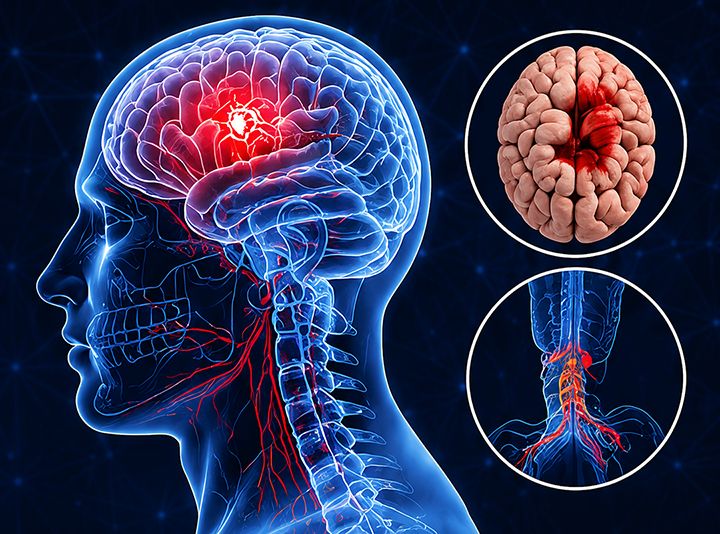
HEAD INJURY & GENERAL NEUROSURGERY OVERVIEW
Head injuries and neurosurgical conditions can affect the brain, spine, nerves, and cerebrospinal fluid (CSF) system.
These conditions may be caused by trauma, fluid imbalance, congenital disorders, infection, tumours, or age-related neurological changes.
Some conditions are mild and manageable, while others may require urgent treatment or advanced neurosurgical procedures.
The goal is early diagnosis, safe treatment, symptom relief, and preservation of neurological function and quality of life.
Hydrocephalus
Build-up of fluid inside the brain causing pressure, headaches, walking difficulty, or memory problems.
Click For More Info

CSF Leak
Leakage of cerebrospinal, fluid from the skull base or spine causing headaches, clear nasal discharge, or ear symptoms.
Click For More Info
Head Trauma
Brain injury caused by accidents, falls, sports injuries, road trauma, or direct impact to the head.
Click For More Info
Brain Pressure Disorders
Conditions causing increased pressure inside the skull affecting brain function.
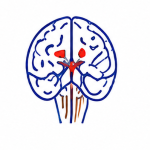
Skull Base Disorders
Conditions affecting the delicate structures at the base of the brain and surrounding cranial nerves and blood vessels.
Neurological Symptoms
Assessment of headaches, weakness, numbness, balance issues, memory changes, or neurological symptoms.
Advanced imaging and specialist neurological assessment are essential for accurate diagnosis and treatment planning.
Persistent or pressure-related headaches affecting daily life.
Difficulty walking, frequent falls, dizziness, or poor coordination.
Confusion, slower thinking, concentration problems, or forgetfulness.
Blurred vision, double vision, or sensitivity to light.
Reduced strength or altered sensation affecting arms, legs, or daily activities.
Clear nasal discharge or symptoms suggesting CSF leakage.
Symptoms vary depending on the neurological condition, severity, and affected area.
Careful monitoring and neurological assessment for stable conditions.
Non-surgical treatment focused on symptom control and neurological stability.
Advanced endoscopic and image-guided neurosurgical techniques.
Advanced surgical treatment for brain and neurological conditions.
Neurosurgeons manage conditions affecting the brain, spine, nerves, and cerebrospinal fluid system.
No. Many neurological conditions can be managed with monitoring, medication, rehabilitation, or minimally invasive treatment.
Hydrocephalus is a build-up of fluid inside the brain that increases pressure and affects normal brain function.
Common symptoms include persistent clear nasal discharge, positional headaches, dizziness, or fluid leakage after injury or surgery.
Headaches should be assessed if persistent, worsening, associated with neurological symptoms, or affecting daily activities.
Modern minimally invasive neurosurgical techniques improve precision, reduce recovery time, and minimise surgical trauma in suitable patients.