
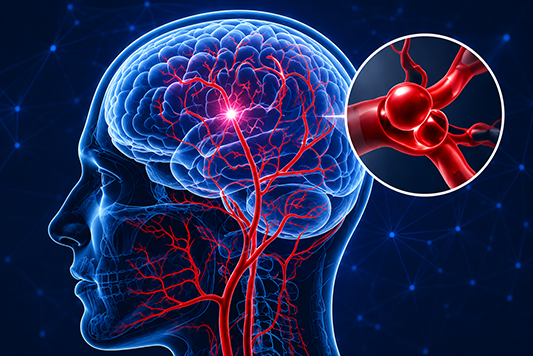
NEUROVASCULAR OVERVIEW
Neurovascular conditions involve abnormalities of the brain’s blood vessels, including aneurysms, AVMs, cavernomas, and stroke-related disorders.
Some conditions remain stable for years, while others may cause bleeding, seizures, weakness, or neurological symptoms requiring urgent treatment.
Treatment depends on the type, size, location, and overall health of the patient. The goal is to provide accurate diagnosis, reduce complications, and preserve brain function and quality of life.
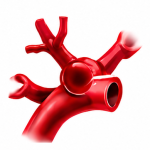
Brain Aneurysm
Weak bulging area in a brain blood vessel that may leak or rupture.
Click For More Info
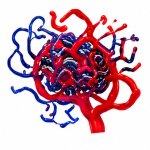
Brain AVM
Abnormal tangled blood vessels disrupting normal blood flow.
Click For More Info

Cavernoma
Cluster of fragile abnormal blood vessels prone to small bleeding.
Click For More Info
Stroke
Disruption of blood flow to the brain due to blockage or bleeding.
Click For More Info
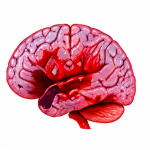
Hemorrhagic Stroke
Bleeding within the brain caused by ruptured blood vessels.
Accurate diagnosis through advanced imaging (MRI/CT/Angiogrophy) is essential for proper treatment planning
Persistent, sudden, or unusual headaches.
Blurred or double vision or other visual disturbances.
Weakness affecting the face, arm, or leg.
Sudden shaking or loss of consciousness in someone with no prior history.
Slurred speech or difficulty understanding words.
Difficulty walking, dizziness, or loss of coordination.
Symptoms vary depending on the condition, severity, and location in the brain.
Minimally invasive treatment performed through blood vessels to manage aneurysms and vascular abnormalities.
Regular MRI or CT scans for stable conditions that may not require immediate intervention.
Advanced surgical procedures to remove or repair abnormal blood vessels while preserving brain function.
Not always. Some conditions remain stable and only require regular monitoring and follow-up.
Treatment depends on the condition, symptoms, scan findings, and overall neurological risk assessment.
Yes. Early treatment and rehabilitation can improve recovery and help reduce long-term complications.
Yes. Many neurovascular conditions are treated using minimally invasive endovascular therapies.
Many patients return to normal life with treatment, rehabilitation, monitoring, and follow-up care.